The Man Who Washed His Hands — Then Disappeared From History
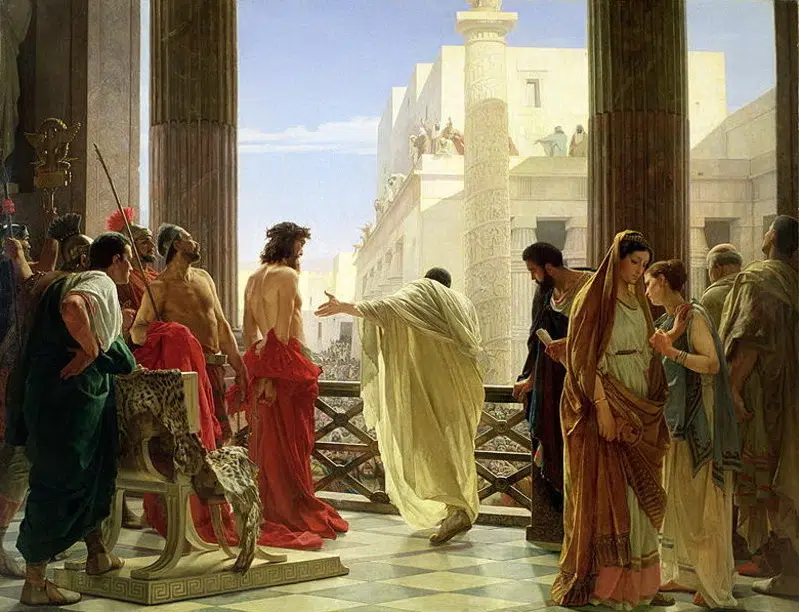
He judged the most famous trial in human history.
He handed Jesus of Nazareth over to be crucified.
Then Pontius Pilate, the Roman governor of Judaea, vanished into a cloud of rumor, punishment, exile, and legend.
For centuries, people have asked the same question:
What happened to the man who condemned Jesus?
Some traditions say he was forced to kill himself. Others suggest he was exiled. Some legends even claim his body was cursed, moved from place to place because it brought disaster wherever it rested.
But the historical record gives us only fragments.
And those fragments make Pilate’s final fate even more mysterious.
Who Was Pontius Pilate?
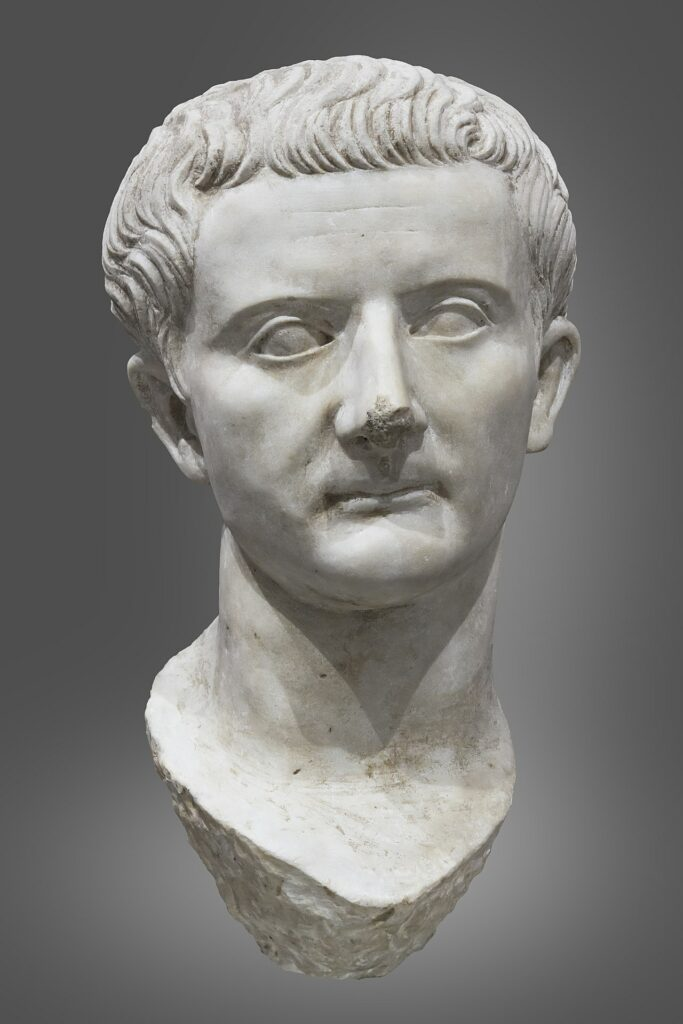
Pontius Pilate was the Roman prefect of Judaea under Emperor Tiberius. He governed the province during one of the most tense periods in its history, when Roman power, Jewish religious authority, local unrest, and imperial politics all collided.
To Christians, he is remembered above all as the official who presided over the final trial of Jesus and approved the crucifixion.
But outside the New Testament, Pilate appears as a hard, sometimes brutal Roman administrator who repeatedly clashed with the people he ruled.
He was not a philosopher washing his hands in quiet uncertainty.
He was an imperial official responsible for keeping order in a province that Rome considered dangerous.
A Governor Known for Conflict
Pilate’s rule was marked by tension.
Ancient sources describe incidents in which he offended Jewish religious sensitivities, used force against crowds, and made decisions that sparked public anger.
One major dispute involved Roman standards or images connected to the emperor. Another involved money from the Temple treasury being used for an aqueduct project. To Rome, these actions may have looked like administration. To many locals, they looked like insult and violation.
Pilate’s job was to keep Judaea stable.
Instead, he repeatedly inflamed it.
That pattern matters because his downfall did not happen immediately after the crucifixion of Jesus. It came later, after another violent incident — this time involving the Samaritans.
The Samaritan Incident That Ended His Career
Around 36 CE, a Samaritan group gathered near Mount Gerizim, a sacred mountain in Samaritan tradition. According to the historian Josephus, they were drawn by a figure who claimed sacred objects connected to Moses would be revealed there.
Pilate saw the gathering as a threat.
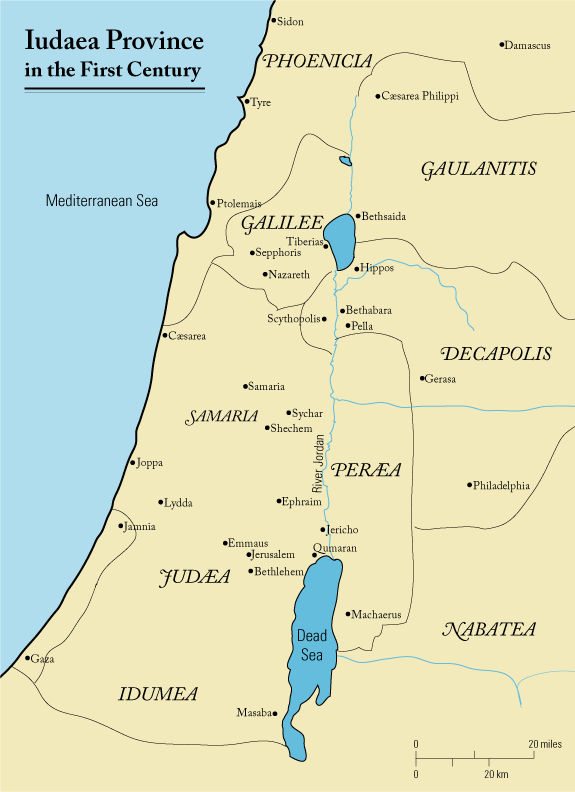
He sent cavalry and infantry to stop them. People were killed. Others were captured. Some of the leaders were executed.
The Samaritans complained to Lucius Vitellius, the Roman governor of Syria. Their accusation was serious: Pilate had used excessive violence against people who were not staging a rebellion.
Vitellius responded by removing Pilate from Judaea and ordering him to go to Rome to answer before the emperor.
This is where the mystery begins.
By the time Pilate reached Rome, Emperor Tiberius was dead.
After that, the historical trail grows dark.
Did Pilate Stand Trial in Rome?
We do not know.
Pilate was ordered to Rome, but surviving records do not tell us clearly what happened when he arrived — or whether he arrived before Roman politics changed under the new emperor, Caligula.
This silence is extraordinary.
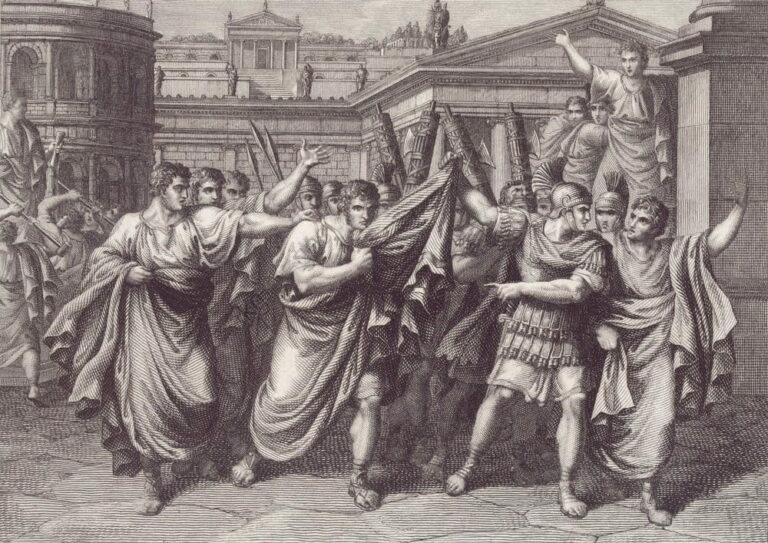
A man who played a central role in Christian memory disappears from the record almost completely after losing his post.
No official Roman document tells us his sentence.
No confirmed grave has been found.
No final speech survives.
History leaves him standing at the edge of Rome — accused, disgraced, and then gone.
The Suicide Tradition
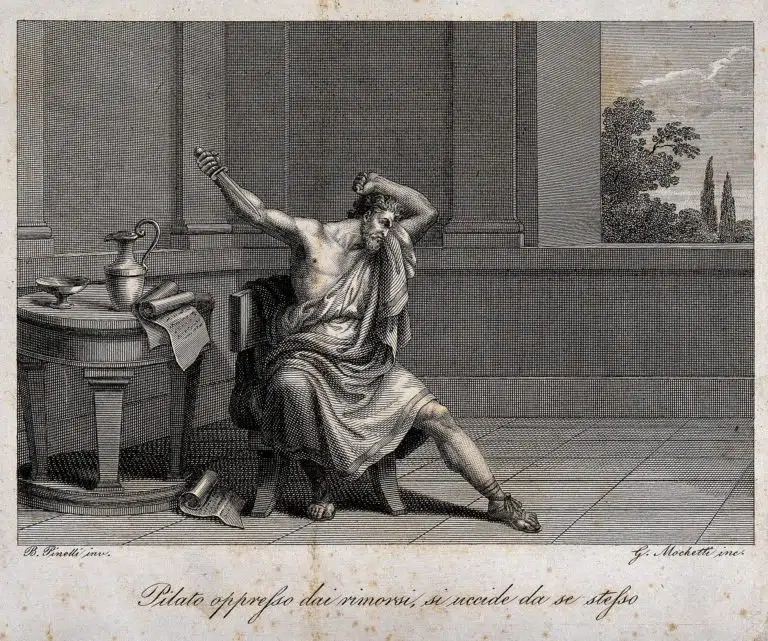
One later Christian tradition claims that Pilate was ordered to kill himself by Emperor Caligula.
This version appears in the writings of Eusebius of Caesarea, who wrote centuries after Pilate’s lifetime. According to this tradition, Pilate’s disgrace ended in self-destruction.
It is a dramatic ending, and it fits the moral imagination of later Christian writers: the judge of Jesus ultimately judged by Rome itself.
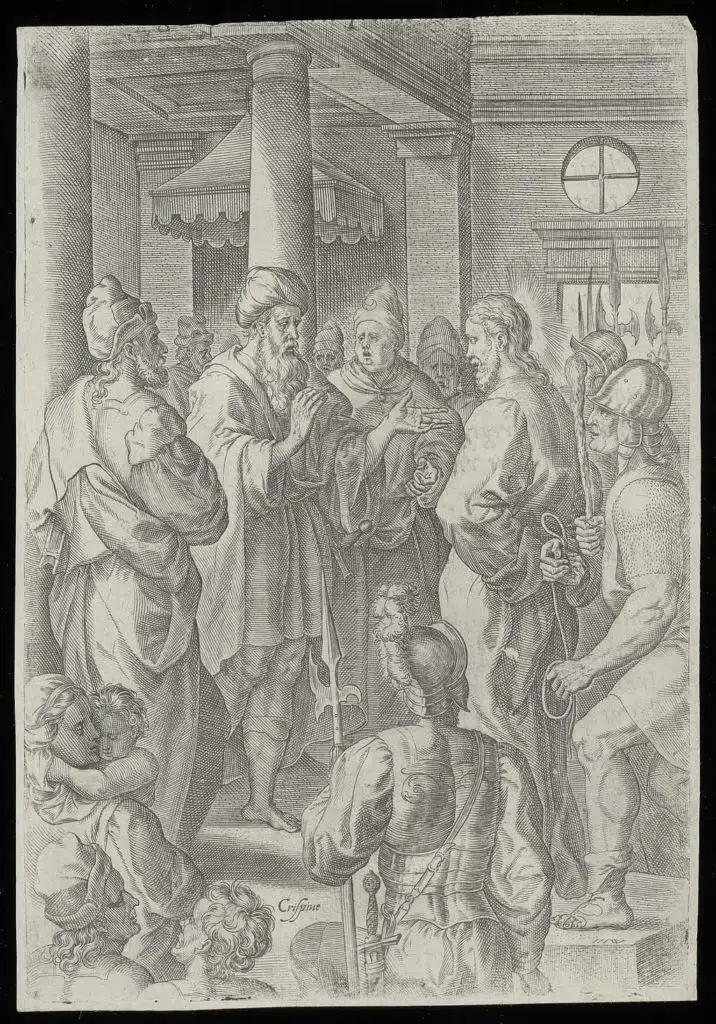
But historians treat this carefully.
Eusebius is important, but he is not a contemporary witness. His account may preserve older traditions, but it is not the same as direct Roman evidence.
So the suicide story remains possible — but not proven.
Exile, Execution, or Quiet Obscurity?
Other traditions suggest Pilate may have been exiled. Some place his death in Gaul. Others connect him with Vienne in modern France. Medieval legends went even further, claiming his body caused supernatural disturbances and had to be moved or hidden.
These stories reveal something important:
People could not accept that Pilate simply disappeared.
The man connected to the death of Jesus seemed too important to leave without an ending. So memory created endings for him — tragic, cursed, violent, or symbolic.
But the historical answer may be less cinematic.
Pilate may have lost his position, faced imperial scrutiny, and then died in obscurity.
For a Roman official, that may have been punishment enough.
Why Pilate Became a Mystery
Pontius Pilate is one of history’s strangest figures because he is both famous and unknown.
His name is repeated in Christian creeds around the world.
His role in the trial of Jesus has been painted, preached, debated, and dramatized for nearly two thousand years.
Yet his own life is full of blanks.
We do not know his exact birth year.
We do not know his full personal background.
We do not know exactly how he died.
We do not know where he was buried.
He is remembered not because we understand him, but because one decision placed him at the center of world history.
The Man History Could Not Forget
Pilate likely saw Jesus as one more local problem in a province full of unrest.
Rome had many governors. Many trials. Many executions.
But this one did not disappear.
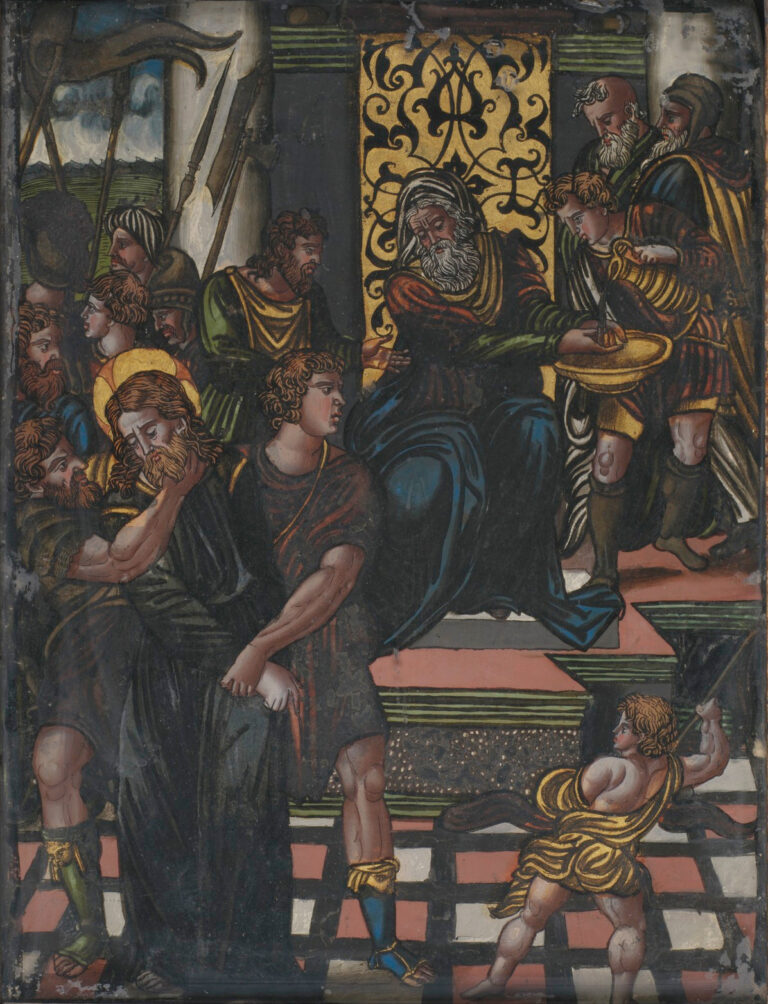
The crucifixion that Pilate approved became the foundation of a global religion. His name survived not through Roman glory, but through Christian memory.
That is the irony of Pontius Pilate.
He tried to end a case.
Instead, he became part of a story that outlived the empire he served.
The Final Mystery
So what happened to Pontius Pilate?
The most responsible answer is this:
He was removed from office after a violent crackdown on the Samaritans, sent to Rome to answer for his actions, and then disappears from reliable historical record. Later traditions claim suicide, exile, or a cursed death — but none can be proven with certainty.
For Mysteries Beyond Earth, Pilate’s fate belongs in the shadow zone between history and legend.
A Roman governor condemned Jesus.
Rome later condemned him — or at least cast him aside.
Then history closed the door.
And for nearly 2,000 years, the world has been trying to open it.