The Woman Who Danced Under Spotlights — and Carried Secrets in the Shadows
She was born into poverty in America.
She became one of the most famous women in Paris.
Then, when war came, she used her celebrity as a weapon.
Josephine Baker was not just a dancer in a glittering costume. She was a performer, a spy, a resistance figure, a civil rights activist, and a woman whose life feels almost too cinematic to be real.
While crowds saw the glamour, governments saw something else: a woman who could move through elite rooms, hear dangerous conversations, and carry secrets across borders.
This is the hidden history of Josephine Baker — the star who became a weapon against tyranny.
From St. Louis Poverty to Paris Stardom
Josephine Baker was born Freda Josephine McDonald in St. Louis, Missouri, in 1906. Her early life was marked by hardship, racism, and poverty. As a child, she worked to survive. As a teenager, she found the stage.
Dance became her escape.
By the 1920s, Baker had moved through American vaudeville and New York performance circles before taking the opportunity that changed everything: Paris.
In 1925, she performed in La Revue Nègre at the Théâtre des Champs-Élysées. Almost overnight, Paris was fascinated. Her energy, comedy, movement, and daring stage presence made her impossible to ignore.
Soon, she became one of the biggest entertainers in France.
The Banana Skirt That Became a Legend
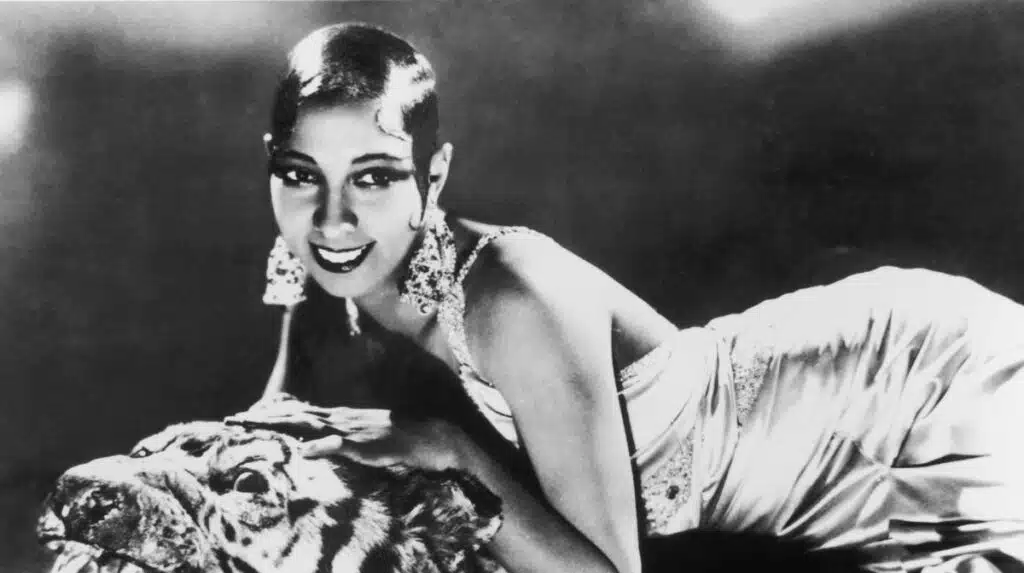
To many people, Josephine Baker is remembered for one unforgettable image: the banana skirt.
At the Folies Bergère, Baker’s performances became a sensation. Her style was playful, provocative, theatrical, and controversial. She was celebrated as a symbol of the Jazz Age, but she was also forced to navigate a world that exoticized Black performers while denying them full equality.
That contradiction followed her everywhere.
In Europe, she found fame and freedom that America had refused her. In the United States, segregation still shaped daily life. Baker understood the difference — and she never forgot it.
Her glamour was real.
But so was her anger.
The Star Who Became a Spy
When Nazi Germany invaded France, Josephine Baker did not simply protect her fame and flee into comfort.
She joined the fight.
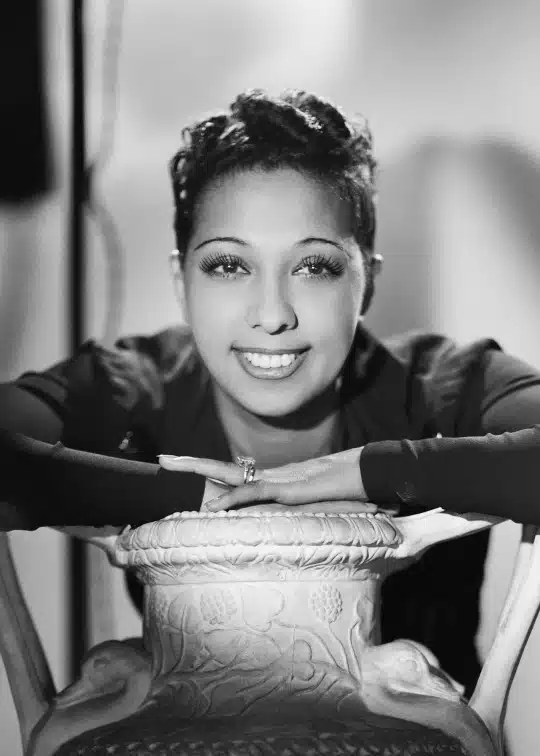
Because of her celebrity, Baker could attend embassy parties, elite gatherings, and diplomatic events where powerful people spoke too freely. She listened. She remembered. She passed information to the French Resistance.
Some reports say secret intelligence was written in invisible ink on her sheet music. Her fame helped her travel with less suspicion. Her performances became more than entertainment — they became cover.
The Nazis saw a performer.
The Resistance saw an asset.
History saw something even greater: courage hidden behind elegance.
A War Hero in Sequins
Baker worked with the French Resistance, the Red Cross, and Free French forces. She performed for troops, helped raise morale, and used her international image to support the anti-Nazi cause.
After the war, France honored her for her service.
This is what makes her story so powerful: Josephine Baker did not fit one category.
She was not only a singer.
Not only a dancer.
Not only a celebrity.
Not only a spy.
She was all of them at once.
And she used each identity as a form of power.
The Civil Rights Fighter America Could Not Ignore
After World War II, Baker continued fighting — this time against racism and segregation.
When she returned to the United States, she refused to perform for segregated audiences. If a venue wanted Josephine Baker, it had to face her conditions. She used her fame as leverage.
In 1963, she spoke at the March on Washington, wearing her French military uniform. That image said everything: she had fought fascism abroad, and now she was confronting injustice in the country where she was born.
Her message was clear.
Freedom meant nothing if it belonged only to some people.
The “Rainbow Tribe”
Josephine Baker also tried to turn her private life into a public statement.
She adopted children from different countries and backgrounds, calling them her “Rainbow Tribe.” Her goal was to show that people of different races and cultures could live together as one family.
It was idealistic, complicated, and deeply tied to her belief in human unity.
To Baker, equality was not just a speech. It was something to be lived, displayed, and defended.
The Price of a Legendary Life
Josephine Baker’s life was not only triumph.
She faced racism, financial problems, public pressure, and personal struggle. Her estate, Château des Milandes, became both a dream and a burden. She returned to the stage later in life partly because she needed money.
But even when her circumstances changed, her magnetism never vanished.
In 1975, she performed in Paris in a show celebrating 50 years since her breakthrough there. The audience honored her with deep admiration.
Days later, she died.
The star who had conquered Paris, resisted the Nazis, and challenged segregation was gone — but her story was far from finished.
France Remembered What History Nearly Buried
In 2021, Josephine Baker was honored at France’s Panthéon, one of the nation’s highest symbolic honors. She became the first Black woman to receive that recognition there.
It was more than a tribute to a performer.
It was recognition of a life lived across impossible boundaries: America and France, stage and battlefield, glamour and danger, art and activism.
Why Josephine Baker Still Matters
Josephine Baker’s story survives because it refuses to stay simple.
She was beautiful, but not merely decorative.
She was famous, but not shallow.
She entertained crowds, but also carried secrets.
She danced under lights, but walked through history’s darkest rooms.
For Mysteries Beyond Earth, her life belongs in the world of hidden history — the place where the truth is more astonishing than fiction.
The mystery is not how Josephine Baker became famous.
The mystery is how one woman could live so many lives in one lifetime — and still be remembered by too many people for only a costume.