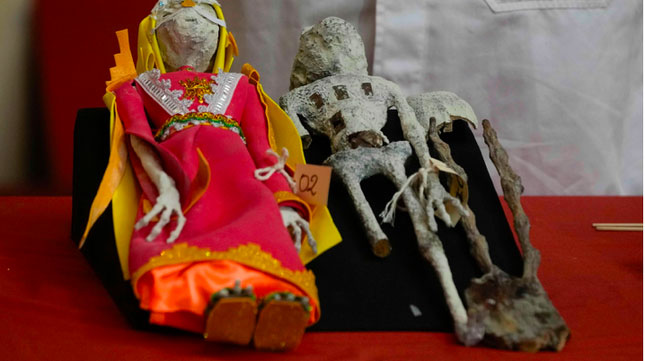
A strange detail found on a supposed alien mummy has reignited questions about one of the most controversial claims surrounding unexplained remains from Peru. The detail is surprisingly familiar to forensic investigators: fingerprints.
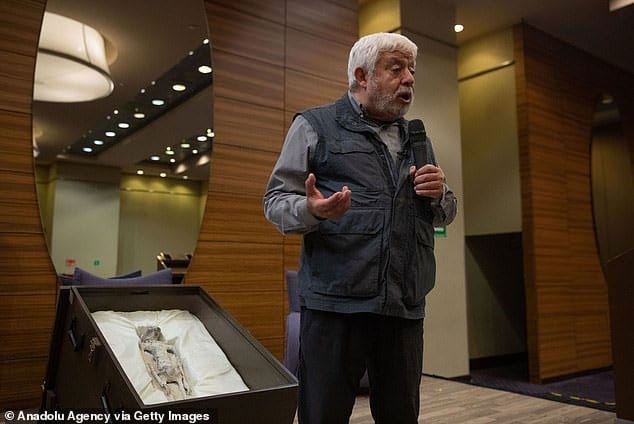
In September 2023, Mexican journalist José Jaime Maussan presented several unusual mummified bodies reportedly discovered near Cusco, Peru, to Mexico’s Congress. Maussan argued that the remains were not human and later assembled a research team to investigate them, including DNA analysis.
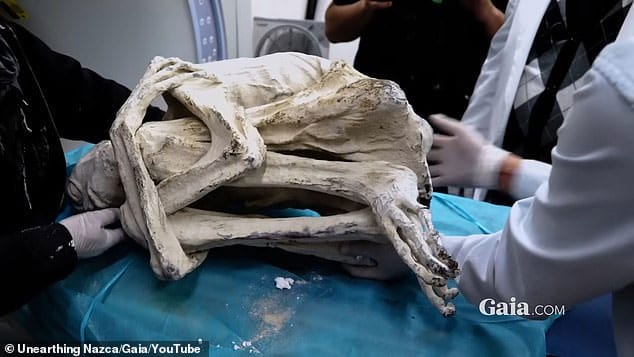
One specimen, identified as Maria, became the focus of a more recent examination. Joshua McDowell, a former Colorado prosecutor, said he examined the mummy alongside three independent forensic examiners. What caught their attention was the unusual appearance of the fingerprints and toeprints.
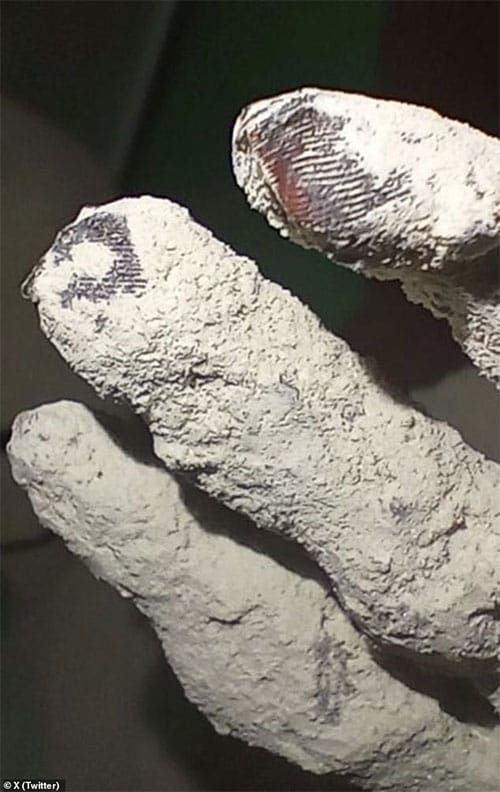
According to McDowell, the ridges appeared unusually straight and lacked the familiar loop and whorl patterns commonly associated with human fingerprints. Drawing on his own experience with fingerprint evidence, he said Maria’s prints did not resemble typical human fingerprints.
That observation is especially intriguing because fingerprint identification relies heavily on recurring ridge patterns. The U.S. Department of Justice fingerprint handbook notes the long history of fingerprint use, while modern forensic classification traditionally groups human prints into three broad patterns: arches, loops, and whorls.
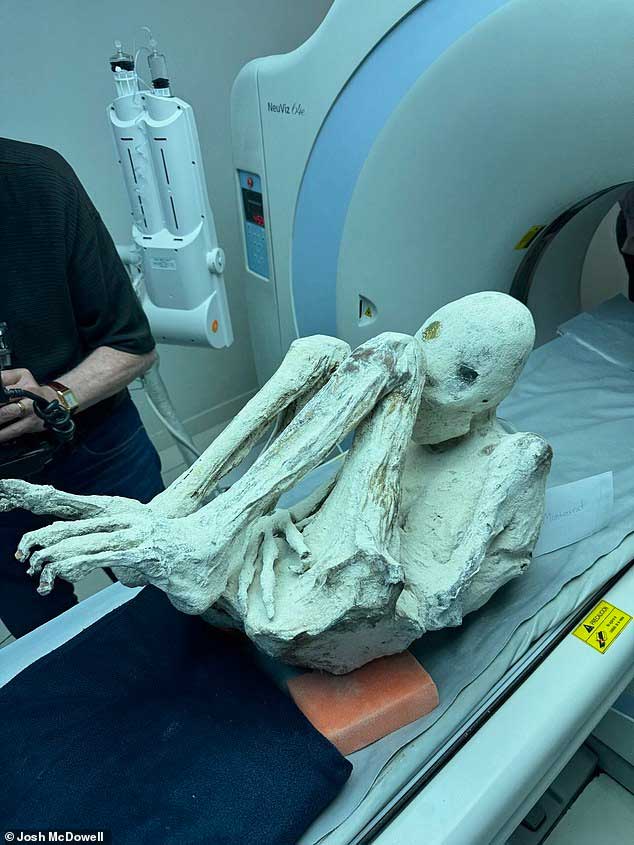
But there is an important distinction between an unusual fingerprint and proof of extraterrestrial origin. The reported examination adds another mystery to the Maria case, yet by itself it does not establish that the mummy belonged to an alien species.
For now, the most striking takeaway is not that extraterrestrial life has been proven, but that one small forensic detail has kept a highly disputed mystery alive: whatever Maria was, her reported fingerprints do not fit the pattern investigators expected to see in a typical human specimen.